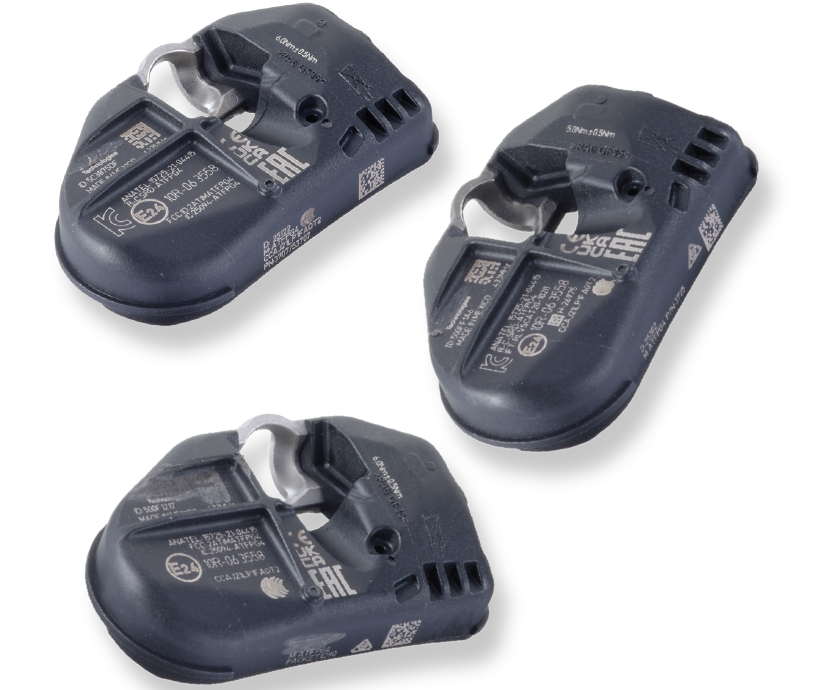
TPMS sensors
For heavy-duty use in the EU
A reliable tyre pressure monitoring system is now a key component of driving safety. Precise tyre pressure sensors play a significant role in detecting air loss in good time to prevent increased tyre wear and even accidents. With the new heavy-duty TPMS sensors, Motorservice is expanding its range of control systems that continuously measure and monitor tyre pressure. This not only optimises safety, but also fuel consumption.
The active TPMS sensors provide real-time values, don’t need programming to function and are suitable for a wide range of vehicle models from different manufacturers. Their plug-and-play strength is particularly evident when changing tyres or replacing a valve. As TPMS equipment is already mandatory in many new vehicles, reliable tyre pressure monitoring is becoming increasingly important; especially in the heavy-duty sector, where large loads and long running times require robust solutions.
Motorservice has expanded its product portfolio to include active tyre pressure monitoring system sensors, or TPMS sensors, for heavy-duty applications. With the TPMS sensors from Pierburg, Motorservice is offering proven quality that covers a broad range of buses and lorries.
Your advantages
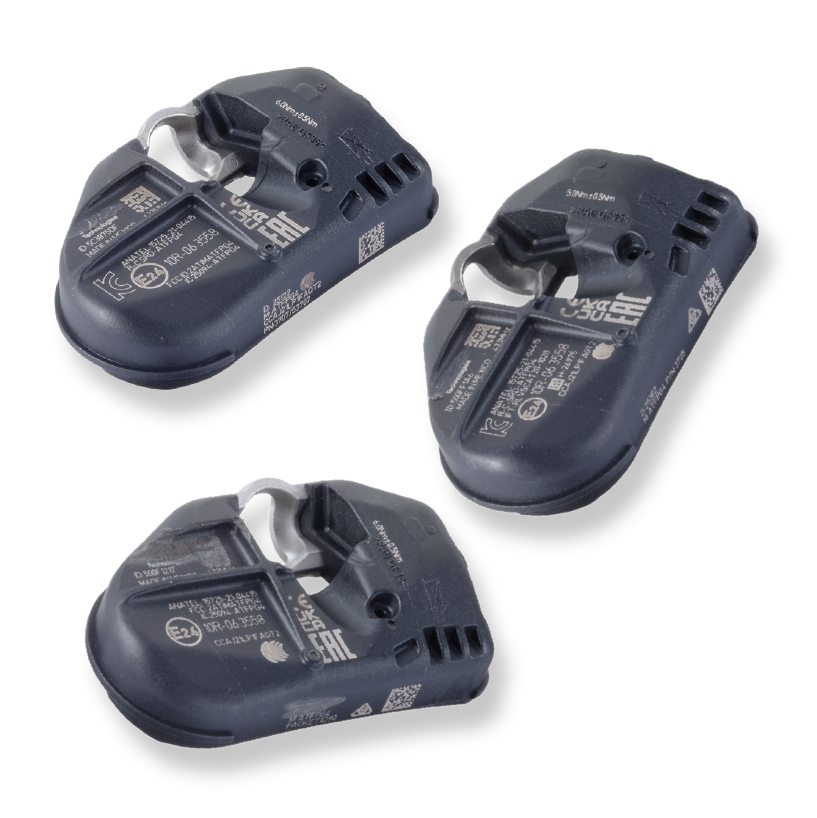
- OE quality
- Large market coverage
- Quick and easy sensor installation
- Ready to use right away, no programming required (plug-and-play)
- Meet the OE specifications in terms of form, function and vehicle use
Background information on TPMS
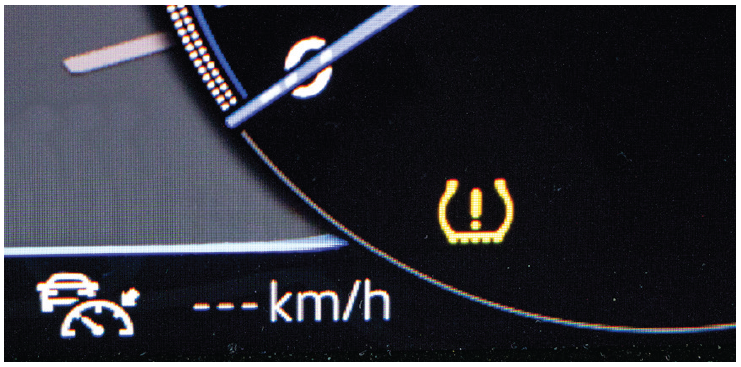
The tyre pressure monitoring system (TPMS) ensures that the tyres maintain the correct tyre pressure. In the event of loss of pressure, the driver is alerted via the TPM warning lamp.
A distinction is made between active ("direct") and passive ("indirect") TPMS. The TPMS sensors provide active TPM.
Active (“direct”) TPMS
- One battery-operated sensor is fitted in each wheel rim, which constantly measures the air pressure and temperature inside the tyre.
- The data is sent wirelessly to the central electronics.
- Exact air pressure and temperature monitoring in real time for each individual tyre
- The sensor batteries have a durability of around seven to ten years. As the batteries cannot be replaced, the sensor must be replaced afterwards.
NOTE
If one sensor battery is flat, the other three may also soon be flat. We therefore recommend switching all four sensors at once
Passive (“indirect”) TPMS
- The system calculates the tyre air pressure using the wheel speed sensors (“ABS sensors”) across the rolling circumference: When air escapes a tyre, the rolling circumference decreases and the wheel rotates more quickly.
- Passive TPMS uses components that are already present in the vehicle and only the software is expanded here.
- Depending on the vehicle and equipment, the system detects the loss of pressure, but not which tyre is affected.
- Similarly, the indirect TPMS cannot detect whether all four tyres are simultaneously experiencing a loss in tyre pressure.
TPMS warning lamp
- If there is no malfunction in the TPMS, the TPM warning lamp lights up when starting a vehicle and goes out again after a few seconds.
- If the TPM warning lamp lights up continuously, the air pressure in one or more tyres is too low. Some vehicles also provide a visual depiction of the tyre pressure.
- If the TPM warning lamp lights up and flashes for 60–90 seconds before it lights up continuously, this indicates a system malfunction (e.g. flat sensor battery, missing or defective sensor, incorrect sensor for the vehicle type).
This might also interest you