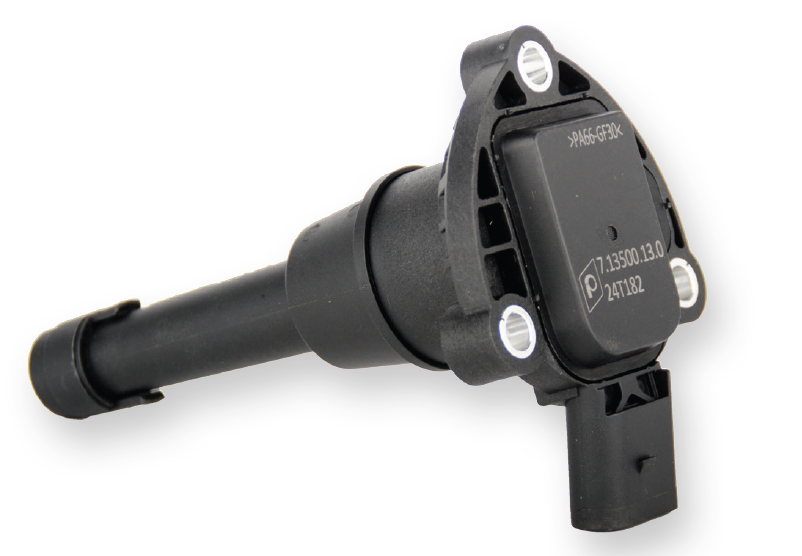
Oil level and oil pressure sensors
for optimum engine oil supply
Reliable engine oil supply in a vehicle depends to a large extent on precise monitoring by oil pressure sensors and oil level sensors. These oil sensors provide important measured values such as engine oil level, oil temperature and oil condition so that the system can react in time. If the oil warning lamp lights up, this often indicates problems in the oil circuit, an insufficient oil level or oil pressure.
While the conventional oil dipstick only provides a snapshot measurement, modern sensors continuously monitor the function, protecting against expensive damage. Stable oil supply improves performance, extends engine life and ensures that oil change intervals can be optimally maintained.
Following the introduction of Pierburg oil pressure sensors, Motorservice has now added oil level sensors to its product range. Motorservice relies on proven expertise in the field of sensors and oil supply and plans to expand the two sensor groups in the long term.
With these oil pressure sensors, Motorservice currently covers over 38 million passenger cars and commercial vehicles. The oil level sensors are currently available for a worldwide fleet of more than 93 million cars.
Supplying the engine with the appropriate engine oil is essential for smooth engine running and for the durability of the engine. When it comes to oil coolers, oil pumps, oil filters, oil pressure sensors and oil level sensors, Motorservice relies on quality and expertise. The oil pressure and oil level sensors check the optimum supply of engine oil to all moving parts and thus provide lasting protection against engine damage.
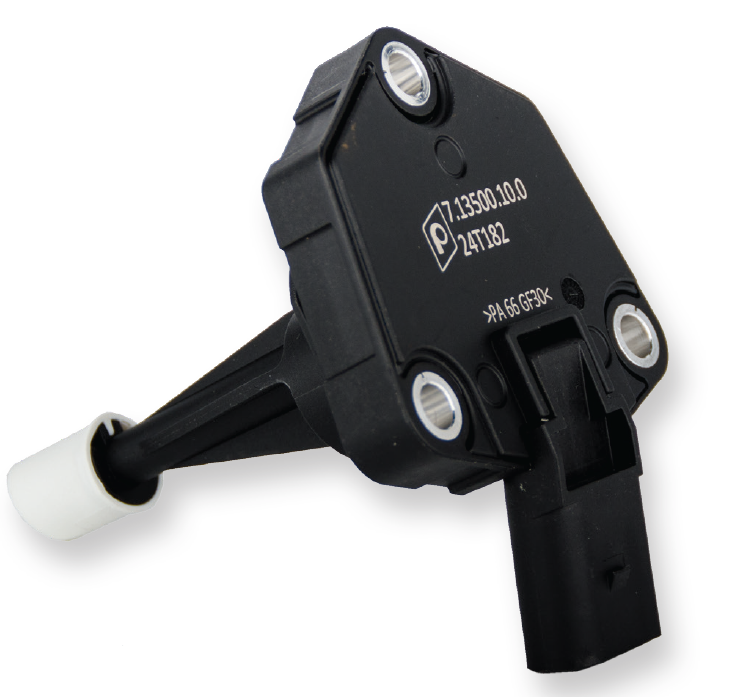
In addition to oil level sensors, the Motorservice range also includes engine oil pans. The sensors are compatible with the engine oil pans in some cases.
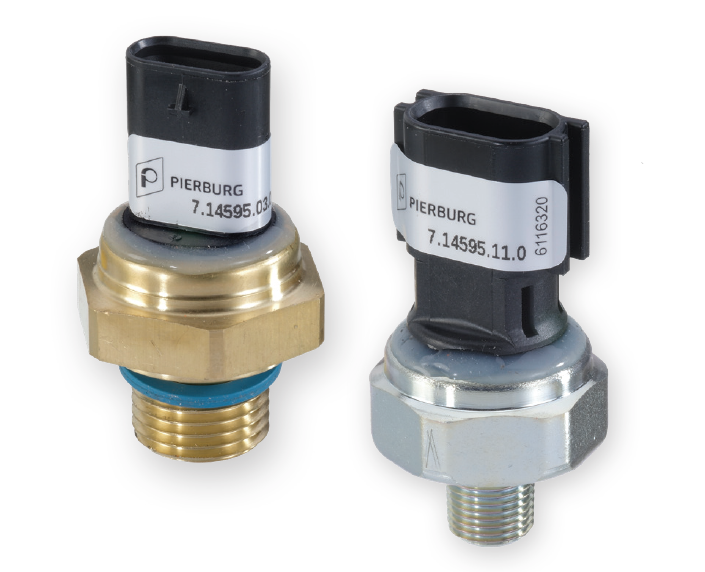
Oil pressure sensors
The oil pressure sensor continuously measures the oil pressure in the engine and sends the information to the engine control unit. The sensor thereby ensures a sufficient oil supply and prevents consequential damage. Modern vehicles also use the data from the oil pressure sensor for optimum engine performance and optimised fuel consumption. Unlike oil pressure switches, which only trigger an alarm when the oil pressure falls below a certain value, oil pressure sensors provide precise values. If the oil pressure sensor is triggered when the oil pressure is too low, this can, for instance, indicate oil loss, but may also be the result of a defective oil pump or other defects.
Principle of operation
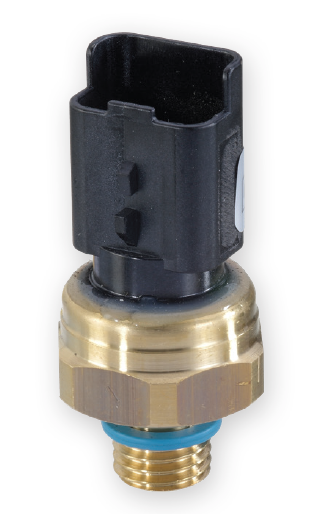
A piezoresistive cell measures the engine oil pressure. The piezoresistive effect is based on the change in electrical resistance in a material under pressure (or tension). An expansion measuring device can be used for this purpose. Alternatively, capacitive sensor elements are used to measure the pressure. The sensor processes this information and sends the pressure values to the engine control unit via a pulse width modulation signal.
Oil level sensors
The oil level sensor records the amount of oil in the engine – depending on the operating state – and is a central component of the engine management system. Nowadays, the sensor is often mounted on the bottom of the oil pan and measures the oil level. Depending on the version, the sensor also detects the temperature and the engine oil grade. This information is sent to the control unit.
Principle of operation
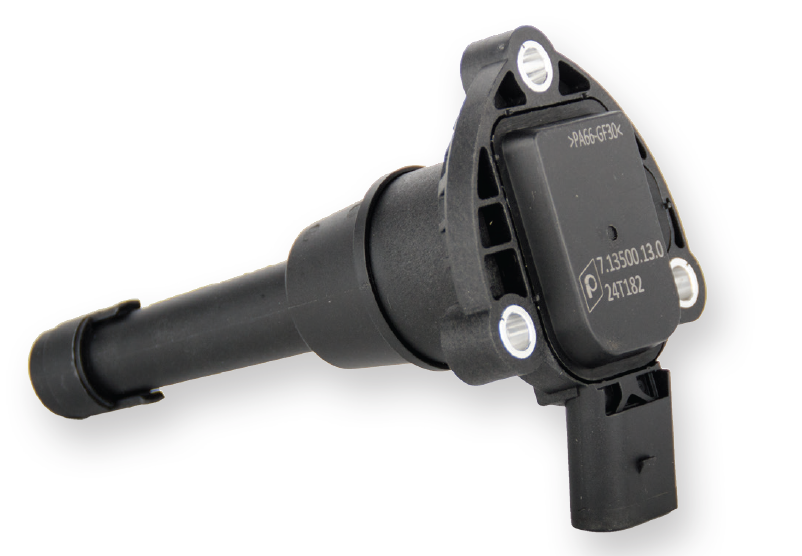
Oil level sensors are available in three categories: float, ultrasound and heat. Motorservice offers the ultrasonic type of oil level sensors.
The ultrasonic sensor is mounted in the oil pan from below and emits ultrasonic waves in the oil. These are reflected by the surface of the oil (air / oil surface). The sensor measures the time from the transmission of the ultrasonic wave to the arrival of the reflected ultrasonic wave. In this way, the fill level can be measured and output precisely. To prevent errors, an average is calculated from several measurements. In addition, the engine control unit detects special situations, such as engine start. The ultrasonic sensors also detect the temperature via another measuring element. This also has an influence on the measurement. Special advantages of the sensor are short response times and high accuracy.
Typical defects of oil level and oil pressure sensors
Depending on the type of sensor, the sensors are exposed to severe environmental influences such as high temperatures and pressures, which can lead to wear or material fatigue and thus to failure of the sensor.
Typical problems are:
- Porous and broken seals
- Material fatigue
- Corrosion on the connections or in the sensor
- Mechanical damage due to shocks or vibrations
- Electrical fault in or on the sensor
Defective sensors can provide incorrect information. On the one hand, this can lead to false warnings and on the other hand to engine damage because a low oil level or oil pressure is not detected. Dry running without oil will damage the engine. In addition, a defective sensor can cause startup problems. A lit indicator light may therefore indicate a low oil level or oil pressure, a defective sensor or other problems in the oil circuit.
After reading the error code and further testing, e.g. visual inspection or resistance and voltage testing, a sensor should be replaced if it is defective.
Product groups
This might also interest you